


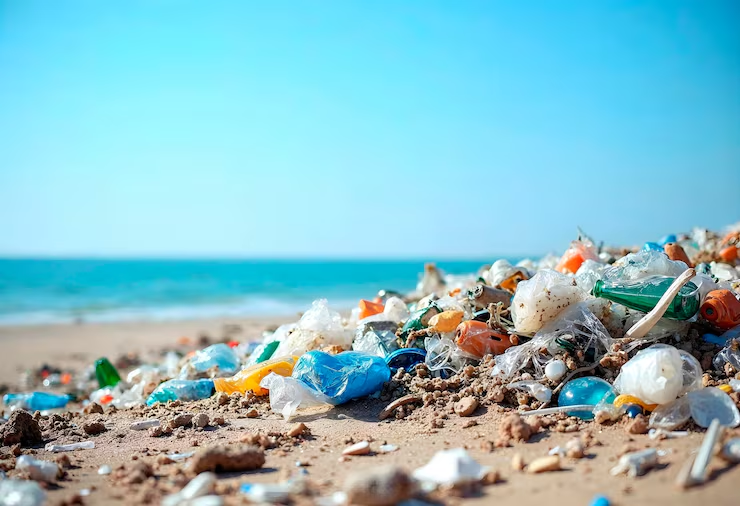
Tourism, one of the most influential economic sectors in the world, is undergoing one of the most significant transformations in its history. For decades, uncontrolled growth, mass travel, and the pursuit of quick profits shaped the direction of the industry. However, environmental impact, pressure on local communities, and ecosystem degradation have triggered a radical shift in the mindset of travelers, businesses, and governments: sustainable tourism is no longer an alternative it has become a necessity.
A More Conscious and Demanding Traveler
The new generation of tourists especially young travelers are no longer seeking attractive destinations alone; they want responsible experiences. Interest is growing in eco-friendly accommodations, routes that respect biodiversity, practices that minimize waste, and activities that directly support local communities. This trend is not just a passing fad, but the result of increasing environmental and social awareness.
Today’s travelers value not only the beauty of the landscape but also the reassurance that their visit does not contribute to harming it. This has boosted demand for ecological certifications, self-sufficient hotels, low-emission transportation, and immersive experiences that connect visitors with local culture without exploiting it.
Destinations Reinvent Themselves
Countries such as Costa Rica, Slovenia, and Bhutan have become global benchmarks in sustainable tourism. Their success is not accidental: they have developed long term policies that integrate conservation, education, regulation, and citizen participation.
- Costa Rica protects more than 25% of its territory through national parks, promoting a model that combines economic well being with environmental respect.
- Slovenia has committed to green cities, sustainable mobility, and strict control of tourism impact.
- Bhutan, with its well known “Gross National Happiness” index, limits the number of visitors to guarantee cultural and natural preservation.
These strategies show that sustainability is not only feasible but beneficial: it attracts higher-quality tourism, creates stable jobs, and preserves the destination’s appeal over the long term.
The Problem of Mass Tourism
Historic cities like Barcelona, Venice, and Amsterdam have experienced years of overwhelming tourism that is difficult to manage. The constant arrival of cruise ships, overcrowding in historic centers, and the surge in vacation rentals have caused tensions with residents, higher prices, and deterioration of iconic areas.
In response, these destinations have implemented measures that, although unpopular to some, aim to restore balance:
- Limits on daily visitor numbers
- Restrictions on tourist apartments
- Tourist specific fees
- Campaigns to redirect visitors toward less crowded areas
Rather than stopping tourism, these policies seek to ensure it remains sustainable and that residents’ quality of life is preserved.
Technology and Sustainability: A Strategic Alliance
Digitalization also plays a key role. Tools such as artificial intelligence, data analytics, and digital platforms help monitor visitor flows, manage resources, and offer less crowded alternatives. In addition, tourism businesses are adopting energy efficient systems, waste treatment solutions, and emissions reduction technologies that strengthen their environmental responsibility.
The Future of Tourism Is Sustainable Or It Won’t Exist
The transformation of tourism is not a luxury but an obligation. Destinations that ignore the consequences of their decisions risk losing their natural or cultural appeal, compromising their long-term economic stability. Meanwhile, those that embrace sustainability will position themselves as leaders and attract a more committed, respectful traveler willing to invest in authentic experiences.
Sustainable tourism does not mean giving up growth; it means reinventing it so that nature, culture, and the economy can coexist. The industry is changing, travelers are changing, and the future of the sector will depend on its ability to adapt to a world that demands responsibility and balance.






Deja una respuesta